

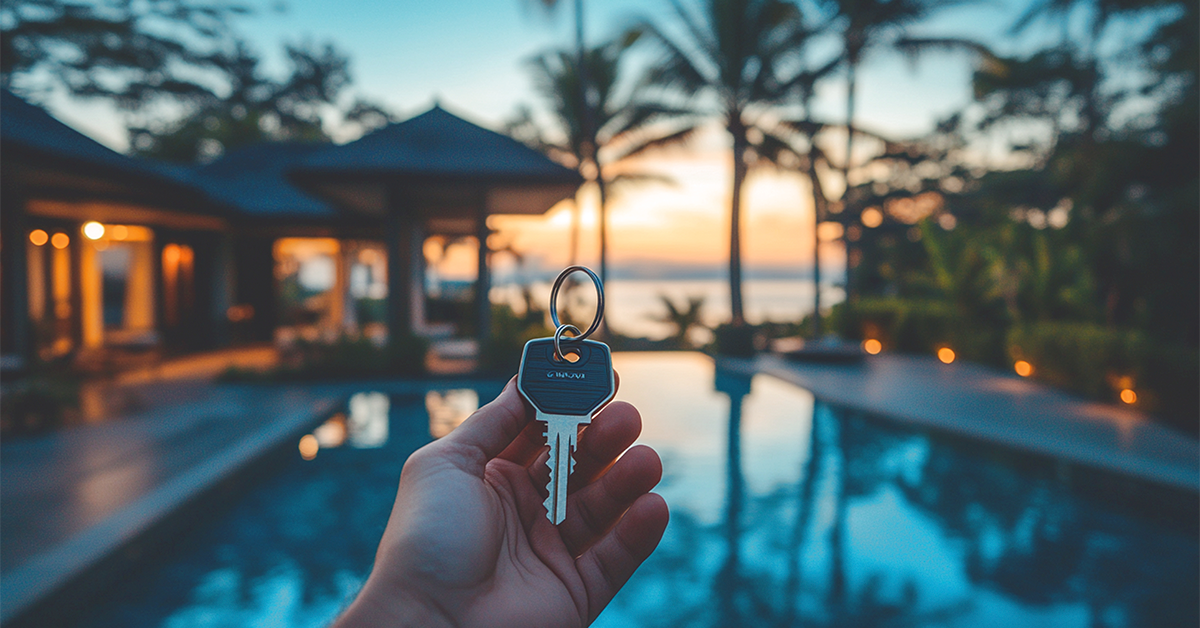
Why Tourist Destinations Are Becoming Property Investment Hotspots
A vacation spot used to be just that — somewhere you visited for a week and left. That’s changing. Property investment is increasingly happening in tourist destinations, driven by holiday-home demand, better rental returns, and buyers rethinking what “home” even means.
More people are looking past the usual metro suburbs. These places are stepping up as high-growth investment zones with real staying power — pulling in both people who want a second home and investors chasing returns.
Why Tourist Destinations Are Suddenly Worth Watching
It comes down to something pretty basic: people want to own a piece of wherever everyone else wants to visit. When a tourist destination has steady footfall year-round, that naturally creates a market for short stays, weekend homes, and rentals.
Remote work has poured fuel on this. Buyers aren’t just thinking “vacation home” anymore — they’re thinking about a place they can actually live in for a few months, work from, and rent out the rest of the year. That shift is exactly what’s driving interest in workation homes among remote professionals right now.
Where the Real Estate Investment Opportunity Actually Is
For investors, the appeal isn’t just lifestyle — it’s the numbers. Real estate investment in these markets can deliver strong rental yields, seasonal income, and appreciation that compounds over time.
Unlike a lot of overheated city markets, many of these locations are still early in their growth curve. That means someone buying now might get in at a lower price point, before infrastructure catches up and demand pushes values higher.
That said, don’t skip the homework. Location, expected rental income, upkeep costs, market conditions — all of it needs a proper look before you commit, and it helps to understand what buying a home in a tourist destination actually involves before signing anything.
What Separates Real Investment Zones from Just a Nice View
Not every scenic town turns into a solid property market. The investment zones that do tend to share a few things:
Tourist traffic that holds up across seasons, not just peak months
Solid connectivity — road, rail, air, whatever fits the location
Actual infrastructure: hospitals, schools, retail, not just resorts
Real demand for holiday rentals or serviced stays
Something that keeps people coming back, whether that’s nature, culture, or adventure
When those line up, a place stops being a seasonal getaway and starts functioning like a genuine investment zone.
The Risks Worth Knowing About
None of this is risk-free. Off-season months can leave income gaps, and second homes tend to cost more to maintain than people expect going in.
There’s also the overpaying trap — popular spots where prices run ahead of what the fundamentals actually support. That’s why location research, checking comparable rentals, doing the legal due diligence, and thinking long-term all matter more than they might seem to at first.
Bottom Line
Property investment in tourist destinations works because it offers something rare: a place you’d actually want to use, income potential, and room to grow in value — all at once. For the right buyer, that combination is hard to beat.
The smart move is looking for locations with steady demand, infrastructure that’s actually improving, and a believable path to long-term value. Done right, property investment in these emerging investment zones can be both a lifestyle choice and a genuinely good financial call.
FAQs
Is a tourist destination actually a good property investment?
Usually, yes — as long as it has consistent tourist demand, decent infrastructure, and real rental potential to back it up.
What kind of property does best here?
Second homes, holiday villas, serviced apartments, and fractional-ownership properties tend to lead in these markets.
What should buyers watch out for?
Seasonality, upkeep costs, regulatory hurdles, and paying too much for hype.
Why are these investment zones forming in the first place?
Tourism creates demand, demand pulls in rental activity and infrastructure spending, and that combination pushes real estate investment and property values up over time.