

Domestic Tourism India 2026 Ladakh Surged, Goa Stayed Flat
Domestic tourism India 2026 has split down the middle since the Prime Minister asked Indians in May to holiday at home. Ladakh had almost matched all of last year’s footfall by July. Goa barely moved.
That gap matters if you’re thinking about a hill-town home, because rental income follows footfall, full stop. Thinking of buying a co-owned share instead of the whole property? Our review of a fractional ownership platform’s trust, legal structure and risks lays out what to check first. This piece sticks to the tourism side.
How the Travel-at-Home Push Reshaped Domestic Tourism
The Prime Minister’s May 2026 appeal told people to choose Indian destinations and skip unnecessary foreign trips, and hill stations felt it quickly. Tourists in Shimla told ANI it had changed their plans. One family scrapped a three-car drive from Delhi and took a state tourism bus instead. But here’s the catch. Plains families head for the hills every May anyway. So how much of this rush is the appeal, and how much is just summer? Nobody can say. Keep that in the back of your head.
Ladakh leads domestic tourism in 2026
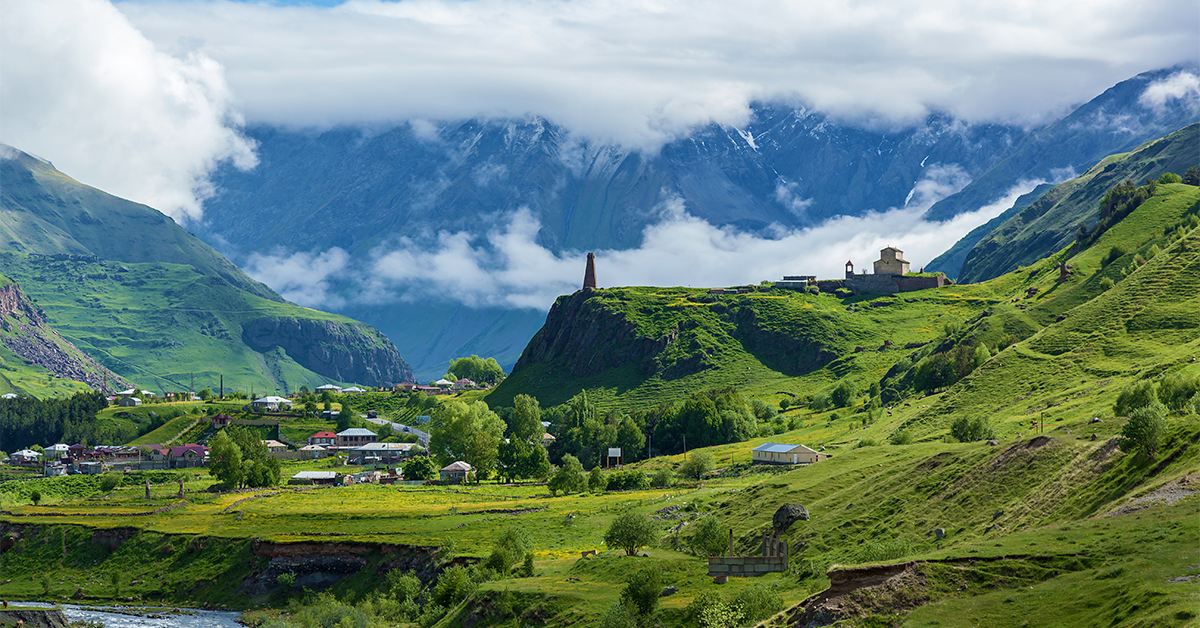
Ladakh had already logged 3,30,332 visitors by the end of July 2026, or 98.35 per cent of its entire 2025 total. June ran 43 per cent above last June, and July 56 per cent. Lieutenant Governor V K Saxena credited better roads and bridges alongside the Prime Minister’s call, and the roads part is easy to believe. Homestays have jumped from 128 in 2019 to 2,275. Zoji La, the Kashmir-side pass, now closes for around 16 days a year, down from 127. Add festivals like Hemis and Ladakh Astro Week and you get a very busy summer. Just don’t read it as a year-round trend: about 65 per cent of those seven-month arrivals came in June and July.
Goa: flat where it counts
Goa recorded 61.38 lakh visitors from January to July 2026, up only 0.08 per cent on the year before. July did a little better, at 6.94 lakh and up 2.27 per cent, so the monsoon may be filling out. Still, flat is flat. Of that total, 59.02 lakh were domestic travellers, which means a home-holiday push had plenty of room to show up. It mostly didn’t. Meanwhile, Savills India found premium homes in North Goa selling 4 to 6 per cent cheaper in the first half of the year than a year earlier. Does one explain the other? We can’t say. What we can say is that Goa isn’t riding the domestic tourism India 2026 push the way Ladakh is.
What Domestic Tourism India 2026 Means for Hill-Town Buyers
The domestic tourism India 2026 numbers prove that demand exists. They don’t say what a homestay will earn. That depends on who turns up, when they come, and how long they stay.
Full hotels don’t mean full wallets
Himachal’s summer is the cautionary tale. Speaking in mid-June, the head of the Federation of Himachal Hotels and Restaurant Associations said weekend occupancy hit 80 to 90 per cent, with weekdays at 60 to 70. Shimla, Kasauli and Chail were heaving. And yet a salesman on Mall Road said the crowds weren’t lifting sales, and industry voices pointed out that visitors from Gujarat and Maharashtra hadn’t turned up in big numbers. We couldn’t find a seven-month arrivals figure for Himachal, so that hotel-association read is the best signal on offer. Picture it from an owner’s side. Packed Saturdays, empty Tuesdays. Not the same business as steady bookings all week.
Supply catches up, and regulators follow
Supply reacts fast, and Ladakh’s homestay count proves it. Rules follow close behind. In early September, Ooty’s municipal administration sealed six tourist cottages in a first phase for breaching hill station building rules, part of a court-backed drive across the Nilgiris. Buying anywhere in the hills? Check land use and approvals first. Then, and only then, count the rental income.
Test a market before you commit
Weekday occupancy, approvals and a full year of bookings tell you far more than one busy long weekend ever will. Fractional and co-ownership models are a growing way to test a hill market with a smaller cheque, though each comes with its own rules and costs. Whatever route you pick, study the winter and monsoon months. A place that only works in May and June is a seasonal business, however good the summer headlines look. Interest isn’t the problem, by the way. Colliers’ 2026 homebuying survey found 16 per cent of prospective buyers plan to buy a second or vacation home. The hard part is choosing where.